
A Beautiful Day in Southern Sweden
The BON TON Guide to Southern Sweden
Royal gardens, medieval cities, artists’ studios, thoughtful dining, and beautifully made objects. A journey through Southern Sweden shaped by history, patience, and the enduring belief that beauty belongs in everyday life.

Southern Sweden reveals itself gradually.
There is no single monument that defines it. No famous boulevard where every visitor gathers. No grand gesture demanding attention.
Instead, its character is found in quieter moments.
Morning light across the gardens of a former royal estate. The worn stone steps of a cathedral that has welcomed travelers for nearly nine centuries. Lunch overlooking sculptures still carrying the marks of an artist’s hand. A narrow street where independent makers continue traditions that disappeared elsewhere in Europe long ago.
For those willing to slow their pace, Southern Sweden offers one of Scandinavia’s richest cultural landscapes.
Within little more than an hour’s drive, royal history, medieval architecture, contemporary art, thoughtful restaurants, independent boutiques, and beautifully preserved neighborhoods come together to create a journey that feels remarkably complete.
This is not an itinerary designed to check landmarks from a list.
It is an invitation to experience the ideas that continue to shape Scandinavian life: craftsmanship, permanence, simplicity, and an enduring belief that everyday objects should possess both beauty and purpose.
Spend a day following this route, and by evening you may find that what stays with you are not simply the places themselves, but the values they quietly share.
The Region
The Southern Sweden Few Visitors Expect
For many international travelers, Sweden begins and ends with Stockholm. Southern Sweden offers something altogether different.
Life here feels more intimate. Distances are shorter, making it possible to move between coast, countryside, medieval cities, and contemporary design within the span of a single afternoon.
Danish influence lingers in the architecture, language, and food, while the fertile farmland of Skåne supplies restaurants with an abundance of seasonal produce. Historic buildings remain part of everyday life, occupied by families, cafés, galleries, and independent businesses rather than standing apart as monuments.
Malmö, Lund, and Helsingborg each possess distinct personalities, yet together they reveal a region that values continuity as much as innovation.
Visitors expecting dramatic scenery often leave talking instead about atmosphere: the rhythm of the streets, the generosity of the museums, the confidence of Scandinavian design, and the feeling that the best moments have not been arranged for visitors at all.
At a Glance
A Day Shaped by Craftsmanship
Sofiero Palace and Gardens
Walk through royal gardens overlooking the Øresund and pause for fika.
Lund Cathedral
Explore one of Northern Europe’s great Romanesque churches and its medieval crypt.
Skissernas Museum
See sketches, models, and experiments behind monumental works of art.
Malmöhus and Gamla Väster
Move from Renaissance history into Malmö’s oldest streets.
BON TON goods
Experience antiques and contemporary craftsmanship collected under one roof.
Dinner and Drinks in Malmö
End the day at Ruths, followed by cocktails or an overnight stay at MJ’s.
Morning
Sofiero: Where the Story Begins
Every journey needs a beginning. Sofiero Palace feels inevitable.
Set above the Øresund just north of Helsingborg, the former royal summer residence is celebrated less for the palace itself than for the extraordinary landscape surrounding it.
The gardens evolve continuously through the seasons rather than reaching a single moment of perfection. Woodland paths open unexpectedly onto lawns. Rhododendrons bloom in astonishing abundance. Framed views across the water reveal how closely Sweden and Denmark have always been connected.
It is a place designed for walking without destination. You rarely move in a straight line. Instead, you follow a path because it disappears around a stand of trees or promises another glimpse of the sea.
A Swedish Ritual Worth Borrowing
Before leaving Sofiero, pause for fika.
The word is often translated as “coffee break,” though no direct English equivalent truly exists. Fika is less about caffeine than creating space in the day to pause, share conversation, and appreciate the moment at hand.
Order coffee. Choose something baked that morning. Sit outside if the weather allows. Watch families wander through the gardens and locals linger over conversation.
Sofiero Palace and Gardens
Location: Sofierovägen 131, Helsingborg
Allow: Approximately 1½ to 2 hours
Best for: Gardens, royal history, coastal views, and fika
Late Morning
Lund: A City That Has Never Stopped Learning
Leaving the coast behind, the road turns inland through open farmland before the twin towers of Lund Cathedral rise above the rooftops.
Founded more than a thousand years ago, Lund is among the oldest cities in Scandinavia. University students cross paths with professors, and medieval lanes open into lively squares where cafés and bookshops remain part of the city’s identity.
Lund Cathedral
For nearly nine centuries, Lund Cathedral has stood at the center of the city. Its beauty is found in heavy sandstone walls, rounded arches, massive columns, and an architecture of permanence rather than ornament.

The Astronomical Clock
Visitors often gather beneath the cathedral’s astronomical clock, an intricate medieval mechanism that still marks the passage of time.

The Crypt
Descending the worn stone steps feels like moving backward through history. The vaulted ceiling sits low, massive pillars rise directly from the floor, and the air cools noticeably.

Lund Cathedral
Location: Kyrkogatan 6, Lund
Allow: Approximately 45 minutes
Do not miss: The crypt and astronomical clock
Midday
Skissernas Museum: Where Great Art Begins
A short walk from the cathedral stands one of Europe’s most remarkable museums. It is devoted not simply to finished masterpieces, but to everything that comes before them: sketches, models, color studies, plaster casts, notebook drawings, fragments of ideas, and experiments.
Together, they reveal something rarely visible inside traditional museums: the creative process itself. Perfection becomes less interesting than persistence.

Lunch at the Museum
The restaurant sits beside the museum’s sculpture garden, where large-scale works and planted greenery create an atmosphere that feels distinctly Scandinavian: elegant without pretension, contemporary yet connected to nature.
Skissernas Museum
Location: Finngatan 2, Lund
Allow: Approximately 1½ hours, plus lunch
Best for: Art, architecture, public sculpture, and the creative process
Afternoon
Malmö: Where History Continues to Live
The journey from Lund to Malmö takes less than half an hour, but the transition feels much greater. Fields give way to neighborhoods, church spires share the skyline with contemporary architecture, and the pace quickens without becoming hurried.
Malmö is Sweden’s third-largest city, but it retains a human scale. It is a place best explored on foot, crossing canals and wandering streets where historic merchant houses stand beside cafés, galleries, and independent shops.

A City Between Two Countries
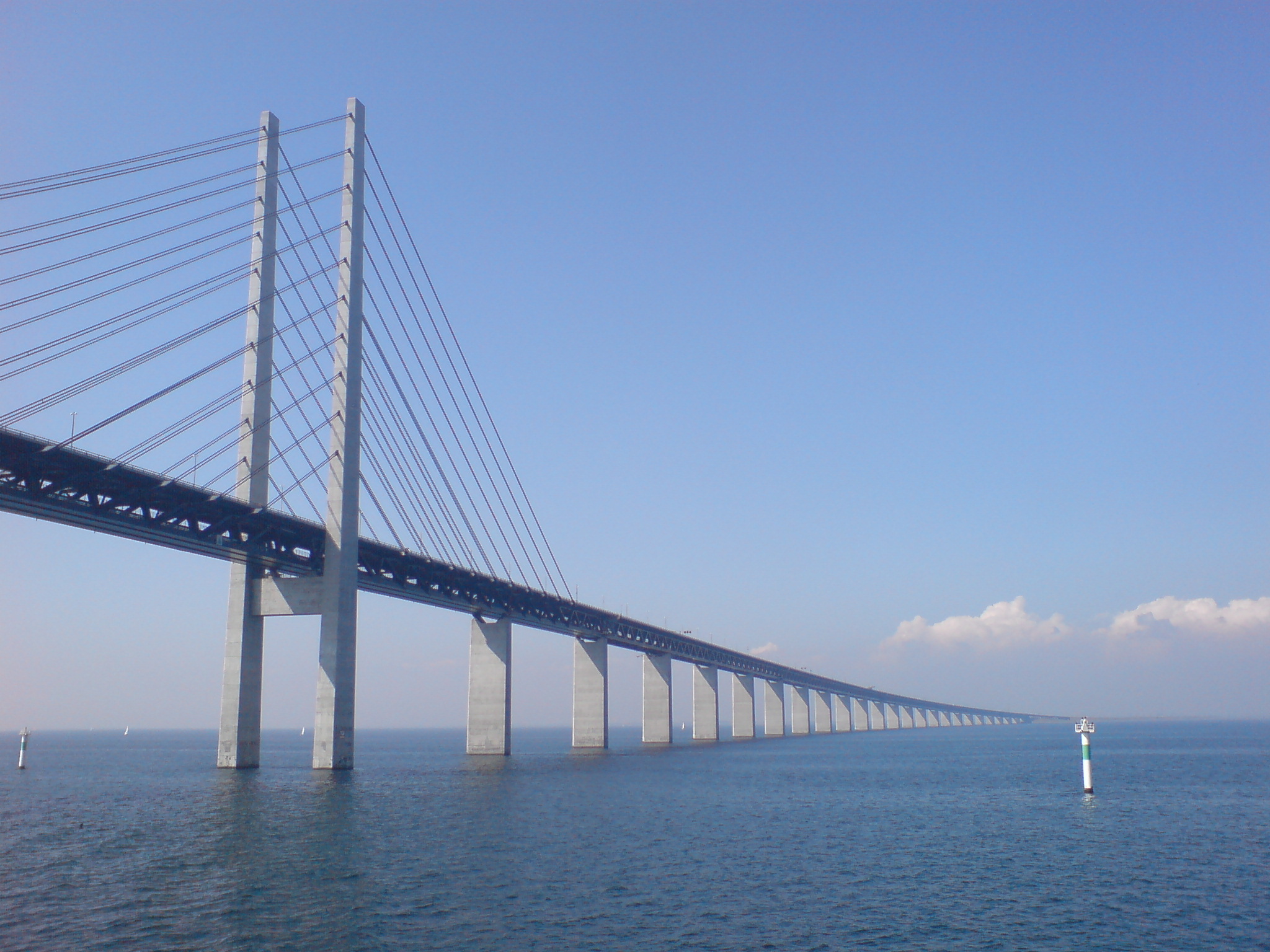
For centuries, Malmö belonged to Denmark. The opening of the Øresund Bridge strengthened those connections once again, making breakfast in Copenhagen, lunch in Lund, and dinner in Malmö entirely possible.
History
Malmöhus Castle
A short walk from the city center stands Malmöhus, a Renaissance castle that has served as fortress, royal residence, prison, military headquarters, and museum.
Inside, historic rooms and exhibitions explore regional history, decorative arts, nature, and Malmö’s changing identity. Notice the proportions of a room, the craftsmanship of a carved chair, the patina of old wood, and the relationship between utility and beauty.

Malmöhus Castle and Malmö Museum
Location: Malmöhusvägen 6, Malmö
Allow: Approximately 1 to 1½ hours
Best for: Regional history, architecture, and decorative arts
The Old City
Into Gamla Väster
Leaving the castle behind, continue toward Gamla Väster, Malmö’s oldest neighborhood. Traffic fades, streets narrow, and historic merchant houses lean gently toward one another.
Gamla Väster rewards slow walking. Follow whichever street catches your eye and pause for the details: a carved lintel, an old shop sign, a climbing rose, or a bicycle resting outside a gallery.

A Neighborhood Built for Independent Shops
Small galleries occupy former workshops. Design studios share streets with cafés. Booksellers, florists, and carefully curated boutiques coexist naturally. Visitors arrive not merely to shop, but to learn.
Collected Living
BON TON goods: A House of Beautiful Objects

By the time you reach central Malmö, a pattern has emerged. The gardens at Sofiero were shaped over decades. Lund Cathedral has welcomed visitors for centuries. Skissernas Museum reveals that great art begins long before it reaches a gallery wall. Malmöhus preserves objects that survived generations of daily life.
Again and again, the day returns to the same idea: beauty is cultivated, collected, refined, and protected.
Perhaps that is why BON TON goods feels so completely at home in Malmö. The experience unfolds as a series of rooms, bringing hand-thrown ceramics, Swedish antiques, lighting, Venetian glass, estate silver, hand-block printed textiles, fragrance, and independent jewelry together under one roof.
Nothing is arranged simply because it matches. Each object has earned its place through craftsmanship, history, or the conviction that it deserves to continue another chapter of its life.
More Than Retail
Many shops organize their collections around trends or seasons. BON TON organizes around permanence. A nineteenth-century candlestick can sit beside a contemporary ceramic bowl because both embody the same values.
Across the collection, the boundary between antique and contemporary becomes fluid. Age matters less than integrity. Rooms are not completed all at once. They evolve.
The Joy of Collecting
Collecting often begins with affection rather than investment: a hand-painted plate, a favorite fragrance, a linen tablecloth used every Sunday, or a piece of jewelry chosen to mark an anniversary.
Over time, these objects accumulate memories alongside beauty. BON TON does not simply present beautiful things. It offers objects that invite a long relationship.

Visit BON TON goods
Address: Baltzarsgatan 41, Malmö, Sweden
From Malmö Central Station: Approximately five minutes on foot
Collections: Artisan-made homeware, antiques, estate pieces, fine jewelry, textiles, lighting, fragrance, and gifts
Evening
Dinner at Ruths
As evening approaches, Malmö begins to soften. Restaurant windows fill with candlelight and conversation. Ruths moves comfortably through the day from breakfast and fika to lunch and dinner, with seasonal cooking rooted in ingredients connected to the surrounding region.
Ruths
Location: Central Malmö
Best for: Dinner, seasonal cooking, wine, bread, and pastries
Advice: Reserve ahead for dinner, particularly on weekends
Cocktails at MJ’s
For a more exuberant end to the evening, continue to MJ’s. Behind an understated entrance, the hotel opens into a richly layered interior filled with plants, pattern, color, and theatrical lighting.
MJ’s Hotel, Bar and Restaurant
Address: Mäster Johansgatan 13, Malmö
Best for: Cocktails, atmosphere, and an overnight stay
Location: Within easy walking distance of Gamla Väster

Stay a Little Longer
Spend the Night in Malmö
This journey can be completed in a day, but Malmö rewards a longer stay. The city changes character after day visitors depart: streets become calmer, canals catch the evening light, and restaurants fill gradually.
For Atmosphere
Stay in or near the historic center for easy walking access to restaurants, shops, canals, Malmö Central Station, and the city’s principal cultural sites.
For the Coast
Choose accommodation toward Ribersborg or Västra Hamnen for easier access to the waterfront, sea bathing, long promenades, and views of the Øresund Bridge.

Practical Details
Planning Your Day
The complete route works best with a car for the morning journey between Sofiero, Lund, and Malmö. Travelers relying on public transportation can still visit all three, though the day requires more careful timing.
Always confirm current opening hours, exhibition schedules, transportation, and restaurant reservations directly with each venue before traveling.
Suggested Timing
Arrive at Sofiero
Walk the gardens and pause for coffee before leaving.
Arrive in Lund
Visit the cathedral and walk through the old city.
Skissernas Museum
Explore the collection and enjoy lunch.
Arrive in Malmö
Begin with Malmöhus or walk directly toward the old city.
Visit BON TON goods
Confirm current store hours before planning your arrival.
Dinner in Malmö
Reserve Ruths or another preferred restaurant in advance.
When to Visit
Spring and Early Summer
Gardens are expressive, daylight stretches into the evening, and outdoor dining returns.
High Summer
The region feels especially open and social. Allow additional time for the coast and swimming.
Autumn
Cooler light, seasonal menus, and changing foliage make this an atmospheric period.
Winter
Candlelit restaurants, decorated streets, Christmas traditions, and warm interiors take precedence.
The Connecting Thread
A Region Built on Craftsmanship
A royal garden. A medieval cathedral. An archive of artists’ sketches. A Renaissance castle. An independent shop. A restaurant. A hotel.
Each is shaped by the same underlying values: respect for materials, process, history, and confidence without excess.
Old buildings find new uses. Historic objects return to daily life. Contemporary makers work alongside inherited traditions. Nothing remains fixed, yet very little is treated as disposable.
Frequently Asked Questions
Visiting Malmö and Southern Sweden
Can I visit Sofiero, Lund, and Malmö in one day?
Yes. The route is achievable in one full day, particularly by car. Begin early and confirm opening hours.
Do I need a car?
A car provides the greatest flexibility, particularly for Sofiero. Helsingborg, Lund, Malmö, and Copenhagen are also connected by train, with local transportation available to Sofiero.
How many days should I spend in Malmö?
One full day covers the historic center, a museum, independent shopping, and dinner. Two or three days allow time for the coast, more museums, and a relaxed pace.
Is Malmö easy to visit from Copenhagen?
Yes. Direct trains cross the Øresund between Copenhagen and Malmö.
Where is BON TON goods?
BON TON goods is at Baltzarsgatan 41 in central Malmö, approximately five minutes on foot from Malmö Central Station.
When is the best time to visit?
Late spring and summer suit gardens and outdoor dining. Autumn is atmospheric for museums and food, while winter brings candlelight and Christmas traditions.
Continue Reading
From BON TON goods
Final Thoughts
The Things That Remain
Some destinations are remembered for famous landmarks.
Others are remembered because they change how we look at everyday life.
Long after the photographs have been filed away, visitors remember something smaller: flowers spilling over an old garden wall, footsteps in a Romanesque crypt, a sketch that became a monumental sculpture, evening light across Malmö’s façades, or a handmade object carried home.
None of these moments announces itself as important. Together, they explain why travelers return.
Opening hours, menus, exhibitions, transportation, and admission information may change. Confirm current details directly with each venue before planning your visit. Public-source photographs are displayed under the licenses credited beneath each image.